Mutualism Series - The Hidden Harvest Beneath The Moor

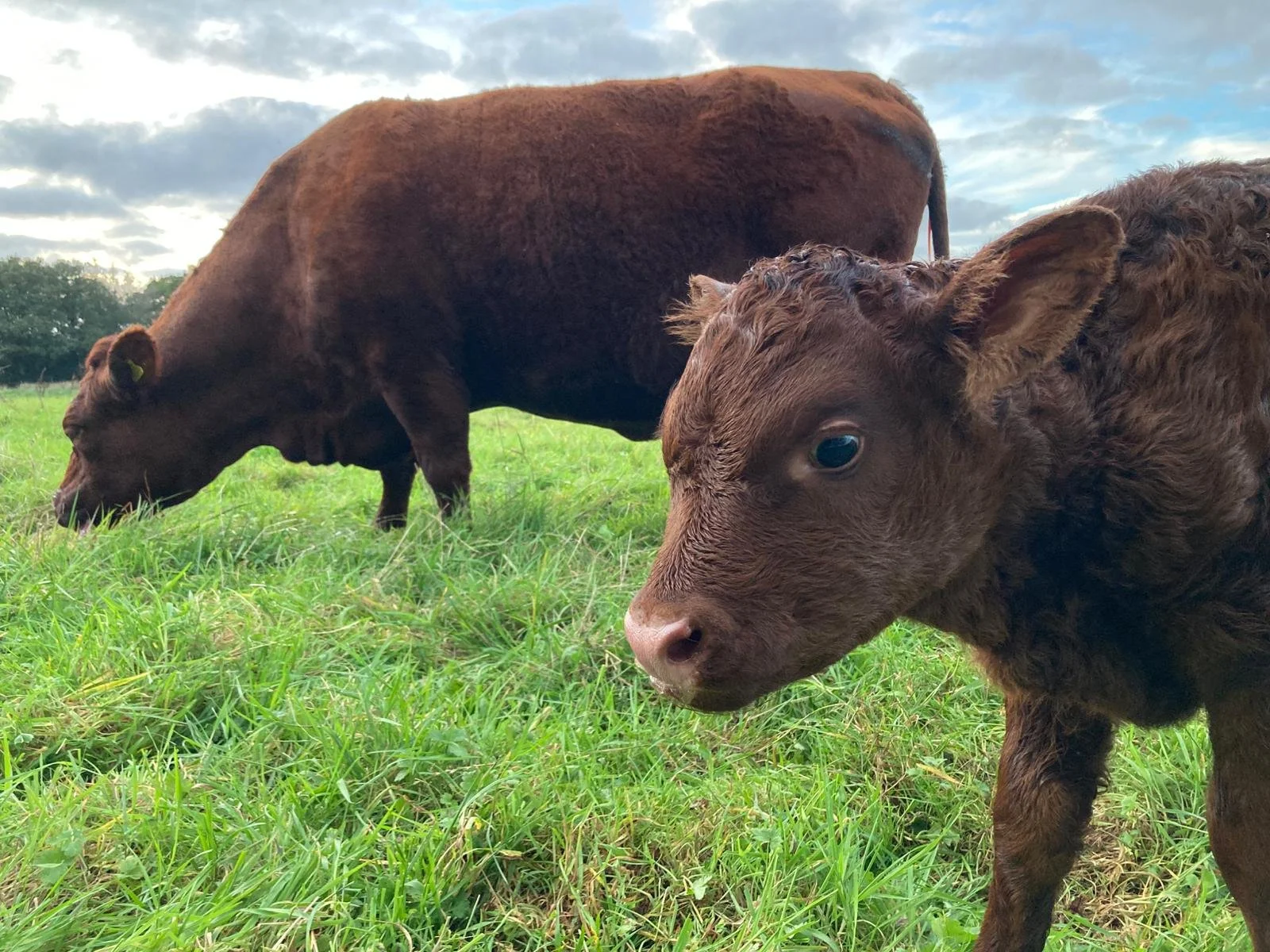
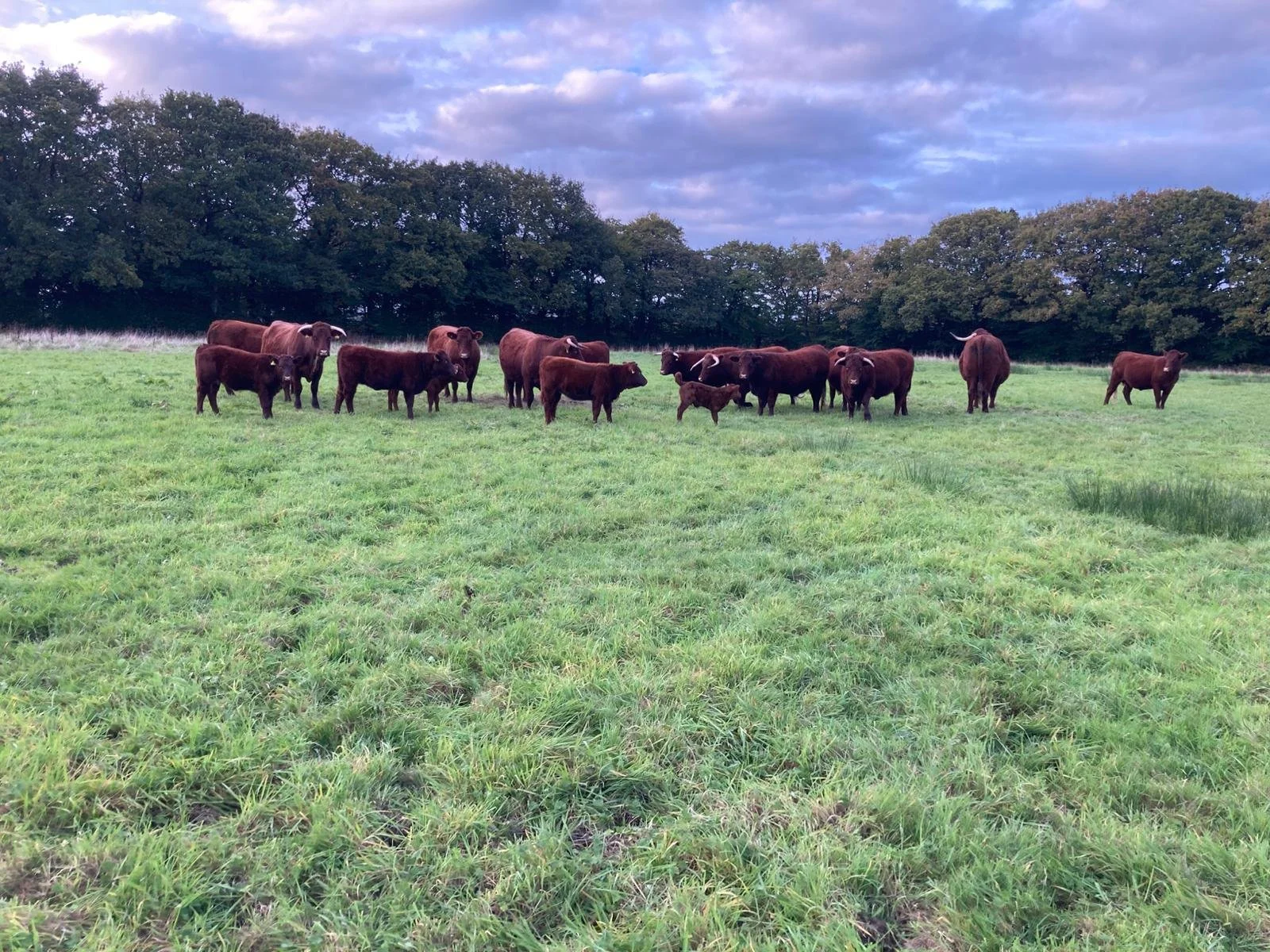
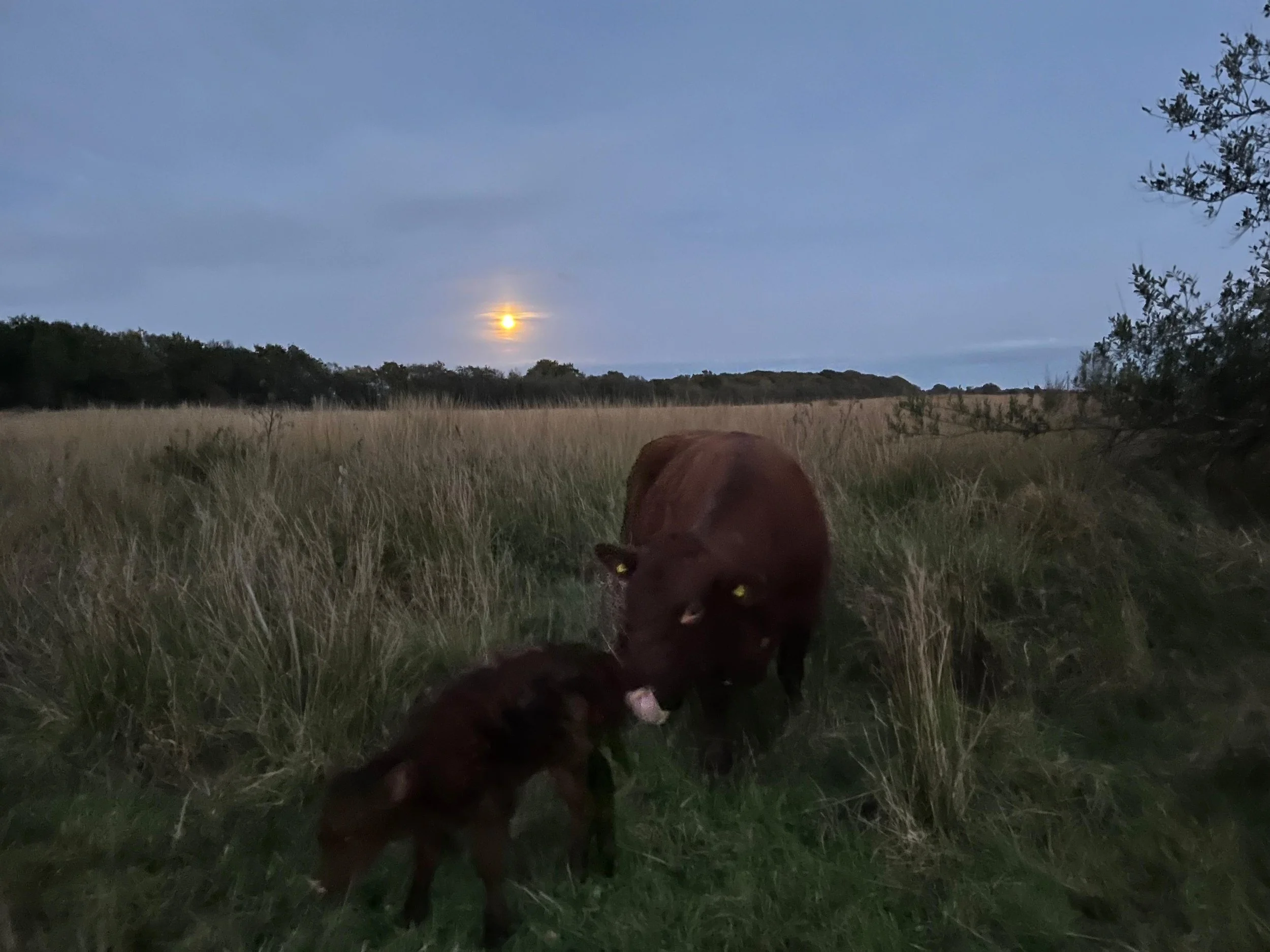
October settles softly over the moor. Mornings arrive cool and damp; the sun rises through veils of mist that hang low over the bracken. Out among the fading heather, our Red Devon cattle graze steadily, their dark coats glowing red-brown against the tawny grasses. To the casual eye, it’s cattle, pasture, and open sky. But beneath every hoofprint lies a world of astonishing activity, a biological web as intricate as the branches of any tree. Here in the thin soil of the moor, fungi and microbes weave the foundations of life, maintaining the fertility of land that has supported livestock for centuries.

Soil is a living tissue made up of minerals, water, air, organic matter, and an unimaginable number of organisms. A teaspoon of healthy soil may contain more living things than there are people on Earth. Among these, mycorrhizal fungi are the master connectors. They colonise the roots of wildflowers and grasses, extending their filaments — called hyphae — through the soil to form an underground network that transports water and nutrients in exchange for sugars produced by photosynthesis. The plants feed the fungi; the fungi feed the plants. This partnership enhances a plant’s ability to absorb phosphorus, nitrogen, and trace elements, helping vegetation thrive even in the thin, acidic soils of the moor. Around these fungal threads live bacteria that fix nitrogen, protozoa that graze on bacteria, and micro-arthropods that shred organic matter into fragments small enough for decomposition. Each group plays its part in a microscopic economy powered by the roots above.

When the herd graze, they become a part of that subterranean cycle. Their selective feeding keeps dominant grasses in check, allowing sunlight to reach smaller herbs and wildflowers. This increased botanical diversity translates directly into fungal diversity, as each plant species hosts its own suite of symbiotic partners. The cows’ hooves press seeds into the ground and gently disturb the surface, mixing organic matter with mineral soil - a process farmers once called “the cattle plough.” Moderate trampling creates small pockets where oxygen can enter and water can accumulate, allowing various fungal species to establish. In contrast, where animals congregate too densely, the soil can compact, restricting air flow and reducing the fine pores that fungi use to explore their environment. The art of good grazing management lies in finding that balance: enough pressure to stimulate growth and microbial turnover, but not so much that the living soil suffocates.

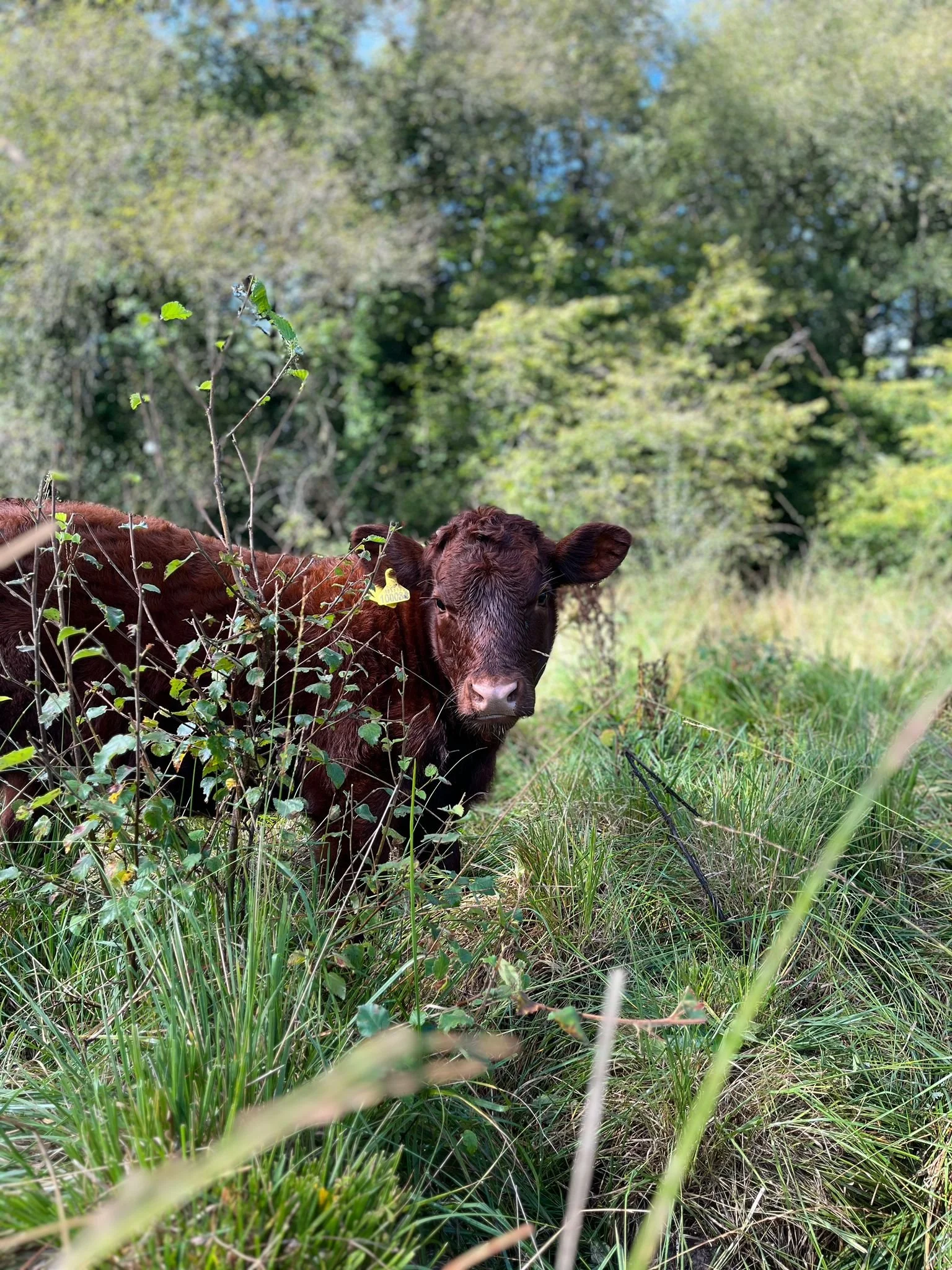
Studies across European grasslands have begun to quantify how grazing intensity alters the underground biodiversity that sustains pasture ecosystems. One recent survey in Italian mountain meadows compared fungal communities under four grazing levels: no grazing, light, moderate, and intensive. The results tell a fascinating story. In ungrazed plots, researchers recorded around 58 fungal species, dominated by mycorrhizal fungi - the mutualists that connect plant roots to nutrients. With light grazing, total fungal richness increased slightly to 62 species, largely thanks to a rise in saprotrophic fungi, the decomposers that break down dead plant matter. Under moderate grazing, total fungal diversity dropped to 55 species, but the composition shifted: saprotrophs continued to thrive, while mycorrhizal fungi declined somewhat. In intensively grazed meadows, overall fungal richness fell sharply to 42 species, with mycorrhizal diversity nearly halved compared to ungrazed plots.

What this means is subtle but vital. A little grazing can actually enhance biodiversity - by opening up niches, stimulating decomposition, and creating a variety of microhabitats. But when grazing becomes too heavy or continuous, it disrupts the fungal networks that bind the soil and support plant nutrition. Mycorrhizal fungi, which rely on stable plant hosts and delicate hyphal structures, are especially sensitive. Their decline under intensive pressure weakens the symbiotic links that supply plants with nutrients, leading to less resilient pastures. Meanwhile, saprotrophic fungi - more opportunistic and fast-growing - increase temporarily in the churned soil, but they cannot replace the long-term benefits of the symbiotic species.

For us, these numbers translate into clear management lessons. A pasture with moderate, rotational grazing - where animals move in rhythm with the growth of vegetation -supports the broadest range of fungal life.

Grazing also alters the microclimate of the meadow. Shorter vegetation allows greater temperature swings between day and night and increases evaporation at the surface. Some fungi thrive under these variable conditions - especially thermotolerant species capable of surviving brief dry spells - while others retreat deeper into the soil where moisture remains. Research from alpine and temperate grasslands shows that grazed plots can be two to three degrees warmer by day and slightly cooler by night than ungrazed areas. This subtle shift in temperature range alters which fungi dominate: communities become more dynamic, turning over rapidly as conditions change. The result is a mosaic of niches - miniature worlds of warmth, moisture, and texture - that together build resilience into the soil ecosystem.

Where there are grazing animals, there is waste, and in ecological terms, manure is a gift. Each pat is a concentrated pulse of organic matter that fuels decomposer fungi and bacteria. These so-called coprophilous fungi are specialists: some can survive the journey through an animal’s digestive tract, their spores lying dormant until they emerge in fresh waste. Within hours of deposition, simple sugar-loving yeasts appear, followed by filamentous ascomycetes that digest cellulose and hemicellulose, and finally by basidiomycetes able to break down lignin - the toughest component of plant cell walls. Over a few weeks, the pat collapses back into the soil, its nutrients reincorporated into the root zone. Earthworms drag fragments underground, microbes mineralise the remains, and once again the mycorrhizal fungi deliver those nutrients to living plants. In this way, the cattle feed the fungi as much as the fungi feed the plants that feed the cattle.

Over time, grazing alters which plant species dominate, and that in turn reshapes the fungal community. Palatable plants are eaten more often, giving space to tougher herbs or thorny species. Because mycorrhizal fungi are often host-specific, a change in vegetation composition means a change in fungal partners. Light to moderate grazing tends to increase total fungal diversity by creating spatial heterogeneity - patches of cropped grass beside taller tufts and flowering herbs. But when grazing becomes too intense or continuous, many sensitive fungi disappear, replaced by a handful of generalists adapted to disturbance. The difference is visible above ground too: the richest, most colourful meadows with waxcap mushrooms, clovers, and orchids are almost always those managed under traditional, low-intensity grazing regimes where the land is given time to rest and recover.

The influence of these fungal and microbial processes reaches far beyond ecology; it shapes the very flavour and nutrition of what we produce. Fungi enhance the mineral content of forage by improving nutrient uptake from soil particles otherwise inaccessible to roots. Studies comparing grazed and ungrazed pastures show that herbage from grazed land often contains higher levels of protein, potassium, and iron - a reflection of the soil’s active nutrient cycling. Our Red Devons, feeding on these fungal-enriched plants, incorporate that vitality into their own tissues. The quality of the beef - its depth of taste, the subtle complexity that marks species-rich grass-fed meat - begins with the microbial health of the soil. Every mouthful the cattle take is a conversion of sunlight and symbiosis into sustenance.

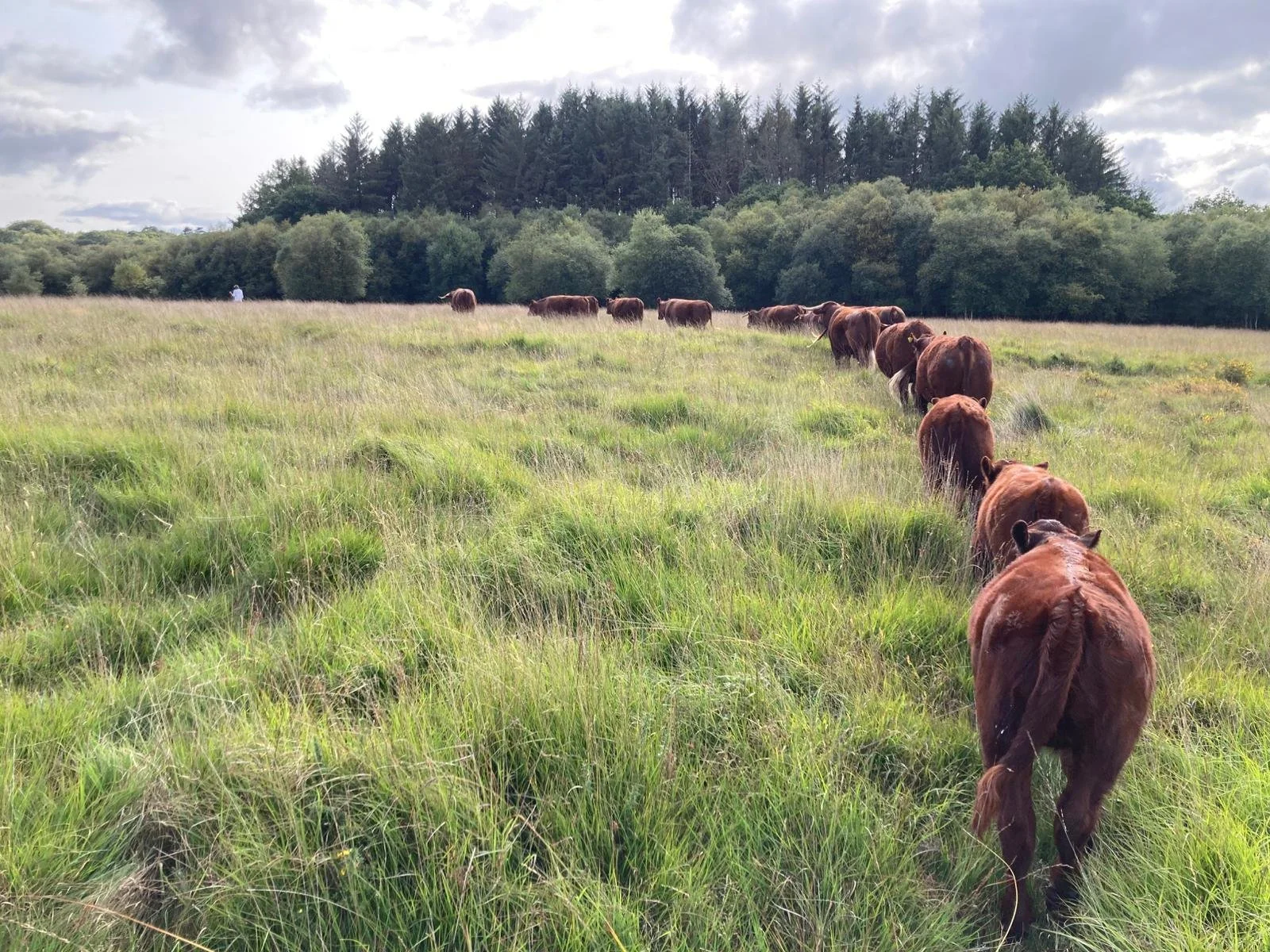
Sustaining this balance requires mindful management. Rotational or seasonal grazing, practised by Bella and Toby, gives pastures time to recover and allows fungal networks to rebuild after disturbance. Maintaining areas of ungrazed refuge - along hedgerows, in corners of the moor - supports the persistence of delicate species that might otherwise vanish. Where rest periods are honoured, we often see a rebound in waxcaps and other indicator fungi whose presence signals healthy, undisturbed grassland. These visible fruiting bodies are the messengers of an invisible abundance below.

When the herd finally returns from the moor to the Mill Barton pastures later this season, they bring with them the benefits of that living soil: a strengthened microbial gut from diverse forage, minerals gathered through fungal pathways. In turn, their manure will seed our lower fields with spores and microbes from the moor, continuing the exchange between landscapes. It is a dialogue measured not in words but in cycles of growth and decay, in hoofprints and hyphae, in the quiet chemistry of life beneath our feet.

To observe the herd on an autumn afternoon is to witness mutualism made visible - not as an abstract concept, but as the everyday functioning of an ecosystem. The cattle depend on the grasses, the grasses on the fungi, the fungi on the carbon from the plants, and all depend on the careful hand that keeps balance between them. The system’s strength lies in its reciprocity. What we give to the land in rest, diversity, and respect, it returns to us in fertility, flavour, and the well-being of our herd. The fungal networks continue their silent work - binding soil, feeding roots, and reminding us of the powerful underworld that lies beneath.

Previous
Previous

We Are Not Separate From the Land: Designing Abundance, Not Decline, Through Indigenous Stewardship

Next
Next

A Team Trip to Glen Falloch and Ben Lawers