
Autumn has well and truly settled here in Devon. On my morning walks through the woods, there is a peculiar stillness in the air, as though the whole woodland is quietly preparing itself for some great and mysterious slumber. Beneath my feet, fallen leaves rustle and tattle while overhead, the last of their golden companions cling stubbornly to the branches, reluctant, it seems, to surrender to the season. The familiar drawing down of energy has begun, and the once exuberant dawn chorus has fallen almost entirely silent, save for the occasional robin trilling from the hedgerow or the soft, fluting notes of a blackbird somewhere amongst the trees. From across the valley come the guttural roars of stags. As dusk gathers earlier each evening, tawny owls call from the darkening canopy, and the blood-curdling cries of foxes pierce the stillness.
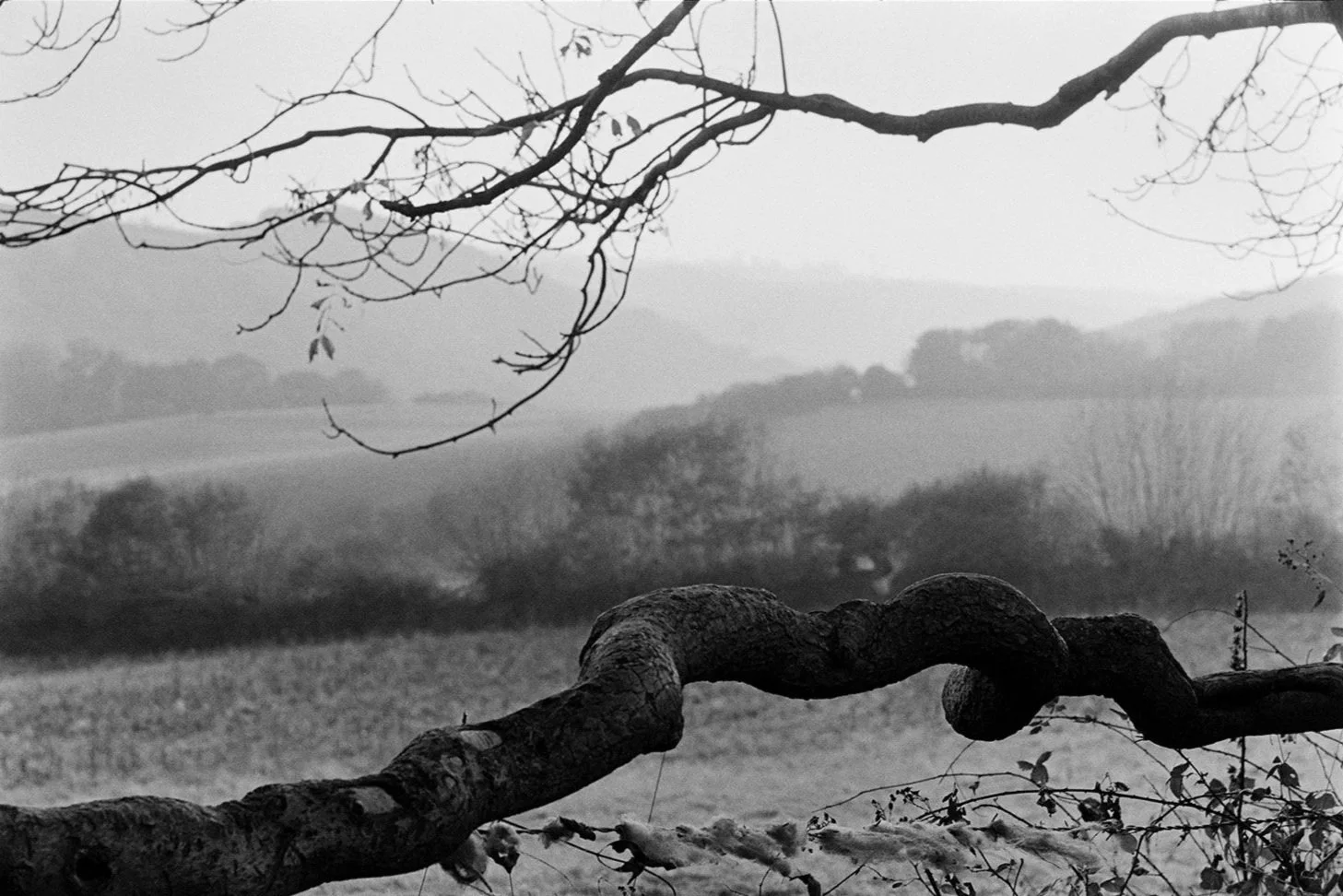
It is at this time of year that I find myself looking more closely at the trees. As the leaves fall away, they begin to reveal their curious characters. Twisted limbs reach out in improbable directions, hollow trunks gape like open mouths, and ancient boughs bend and contort into shapes that seem almost too extraordinary to be accidental. Some appear to be deep in conversation, others caught mid-dance, while a few look as though they might, given half a chance, uproot themselves and wander off into the fields.
Without their leafy disguises, the trees seem to have rather more personality than they did in summer. Yet the longer I spend amongst them, the less peculiar their shapes become. Each bend, hollow and weathered branch tells something of the years they have stood here, of storms endured and seasons passed.
For centuries trees were not simply admired for their beauty, valued for their timber or planted to provide shelter. They were farmed. Carefully managed and repeatedly harvested into the fabric of rural life.
Before the arrival of modern agricultural machinery, synthetic fertilisers and imported animal feeds, trees played a much more direct role in the everyday workings of a farm. They provided fuel for heating, timber for construction, shelter, poles for fencing and perhaps most fascinating of all, a source of nourishment for livestock.
Evidence suggests that leafy branches were being collected for livestock all the way back to the Neolithic period, whilst Roman agricultural writers including Cato (not to be mistaken with Andy) and Columella described the use of tree foliage as animal feed.
But what happened when the winter arrived and the trees shed their leaves?
Branches were dried and stored during the summer to provide hay for later, colder months. Ever green holly also provided valuable winter browse across Britain.
Nutritional Values
Research shared by Innovative Farmers, drawing upon the work of Lindsay Whistance at the Organic Research Centre, suggests that different tree species can provide a surprising range of nutrients and naturally occurring plant compounds.
In 2019, a study examining willow, alder and oak leaves found that willow contained particularly promising concentrations of zinc and cobalt, whilst all three species had higher calcium concentrations than grass. Alder also showed encouraging levels of energy and protein, although these varied throughout the seasons.
Each of these nutrients plays an important role in livestock health. Zinc supports immune function and growth, cobalt is essential for the production of vitamin B12 by microorganisms in the rumen, whilst calcium contributes to bone development and other vital physiological processes.
Willow is particularly interesting. Its leaves and bark contain salicin, a naturally occurring compound that can be converted into salicylic acid, closely related to the chemistry behind aspirin. Certain compounds found in willow have demonstrated anti-inflammatory and antimicrobial properties, although their effects when consumed by cattle are not yet fully understood.
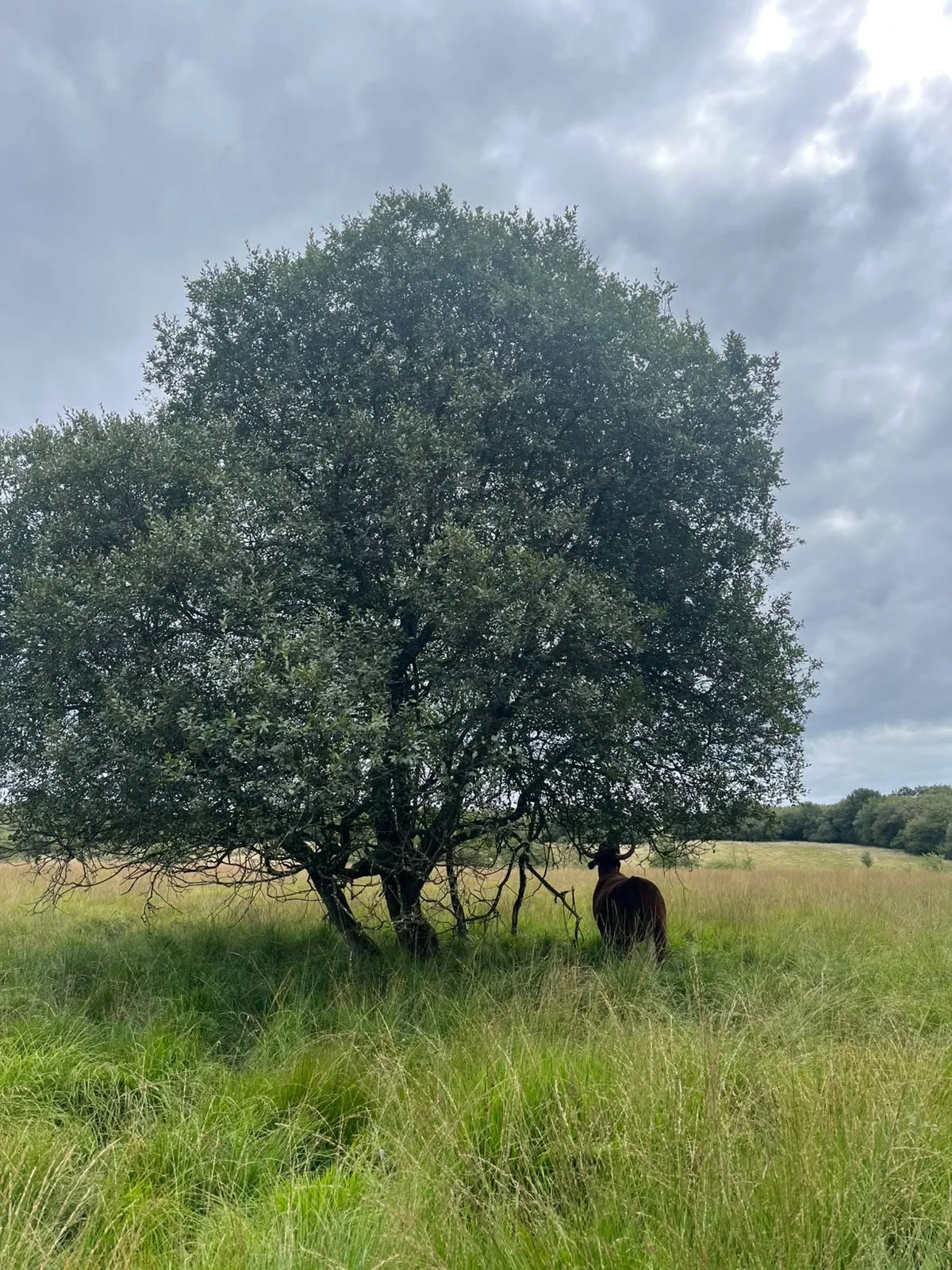
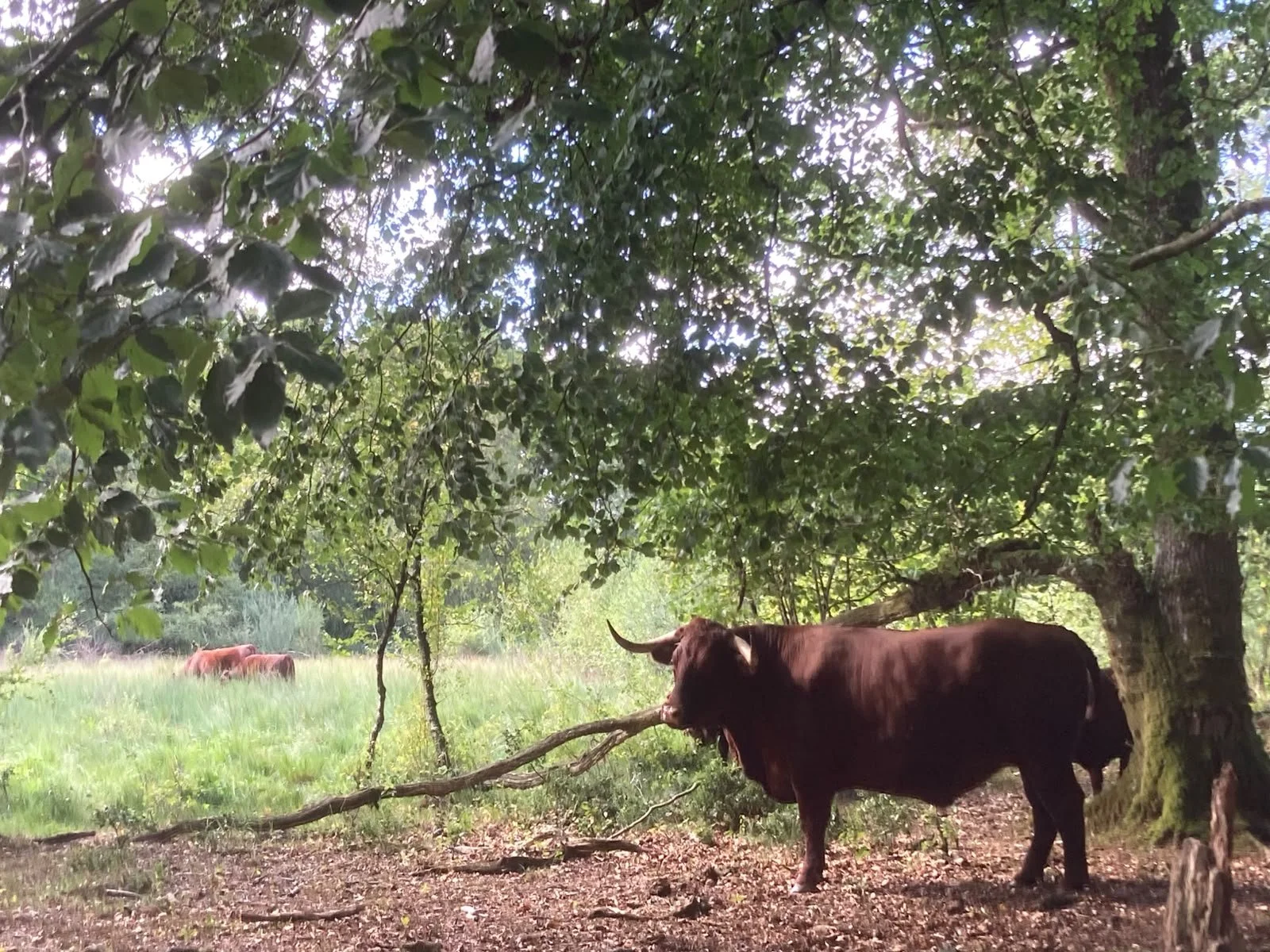
But what might this mean for your herd?
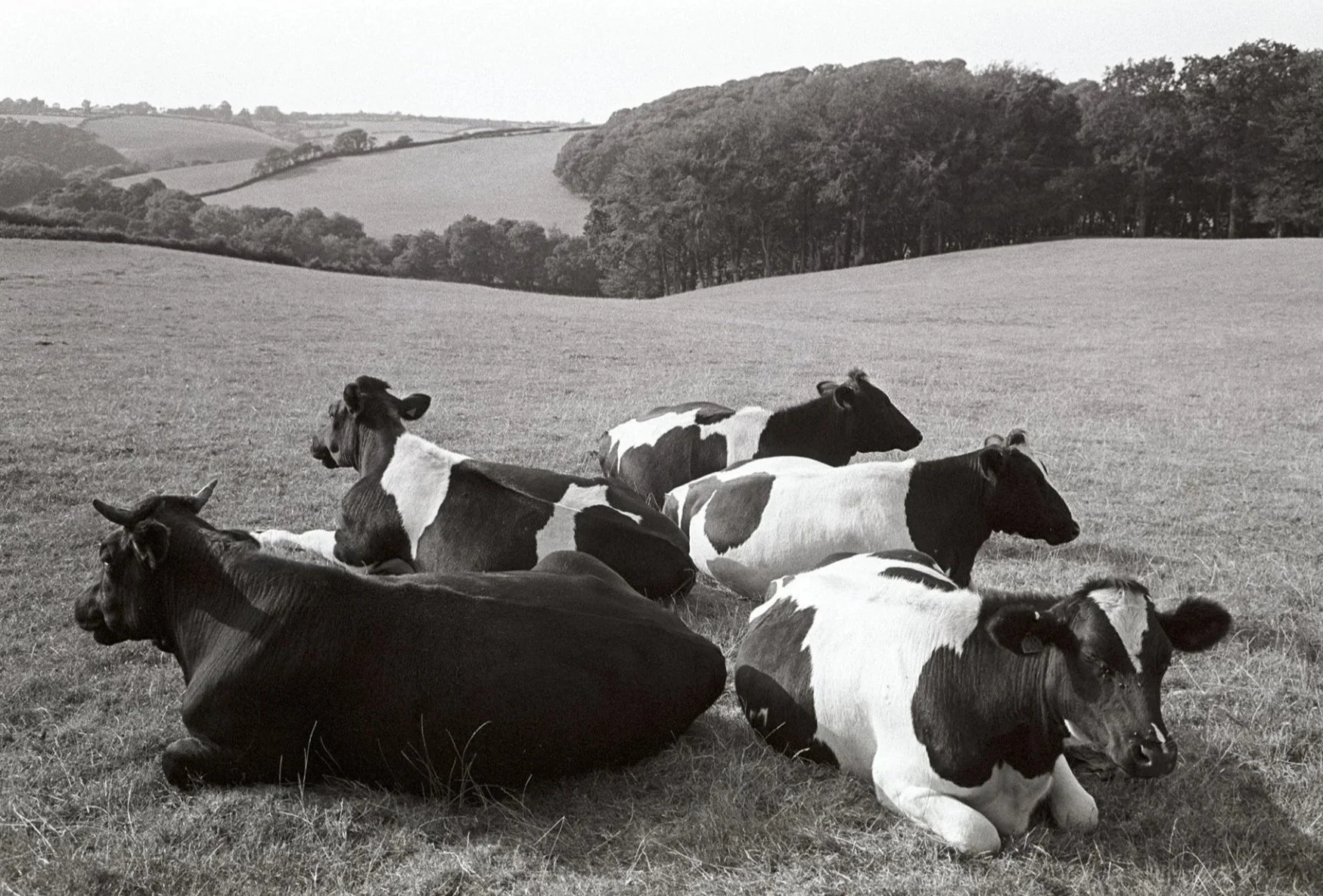
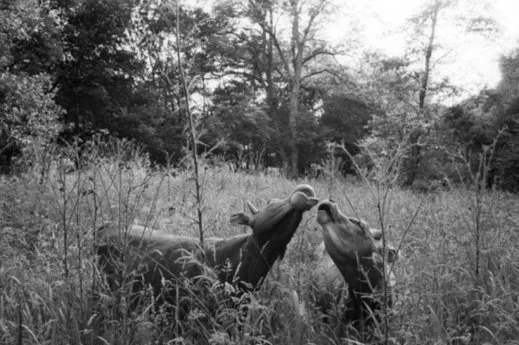
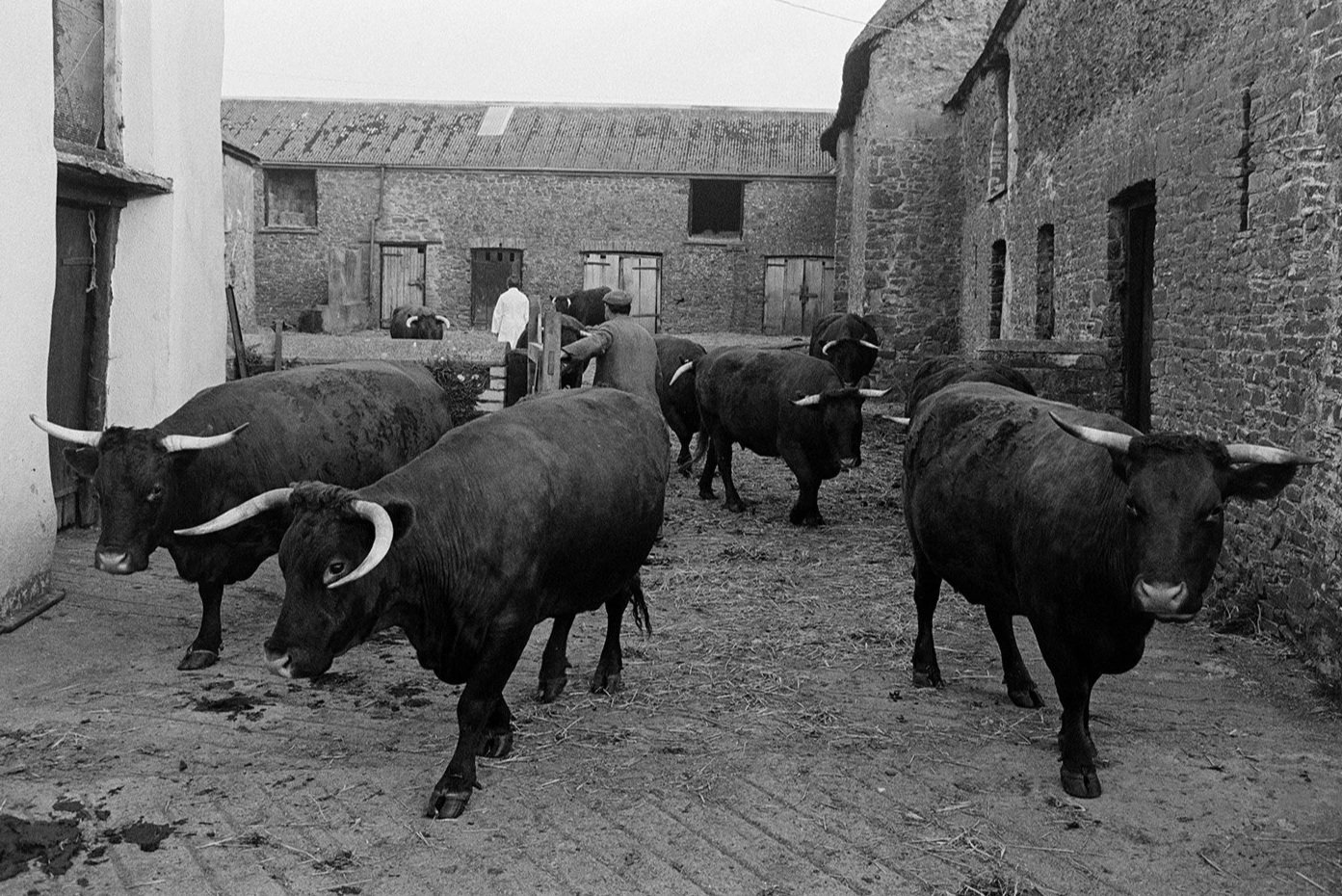
Could incorporating tree hay into their winter diet improve their overall condition? We might hope to see healthier coats, good body condition and fewer nutritional deficiencies, particularly where conventional forage lacks certain minerals. There is also the question of behaviour. Cattle are naturally curious feeders, often stretching into hedgerows to investigate low-hanging branches, stripping leaves and selecting particular plants as they go. Perhaps allowing them a greater variety of forage could offer something beyond nutrition alone.
Trees, with their extensive root systems, can draw upon water and nutrients from different soil horizons, potentially accessing resources unavailable to shallower-rooted grasses. The resulting nutritional composition of their leaves depends upon the species, geology, soil health and growing conditions. There is also growing interest in how plant compounds such as tannins might influence digestion and support health in ruminants, although their benefits depend upon the quantities consumed.
Much remains to be understood about the long-term effects of feeding tree hay, and it is unlikely to replace conventional winter forage entirely. Yet the possibility that our hedgerows and woodlands could contribute more meaningfully to the health and nourishment of livestock is certainly worth exploring.
A historical practice for an uncertain future